
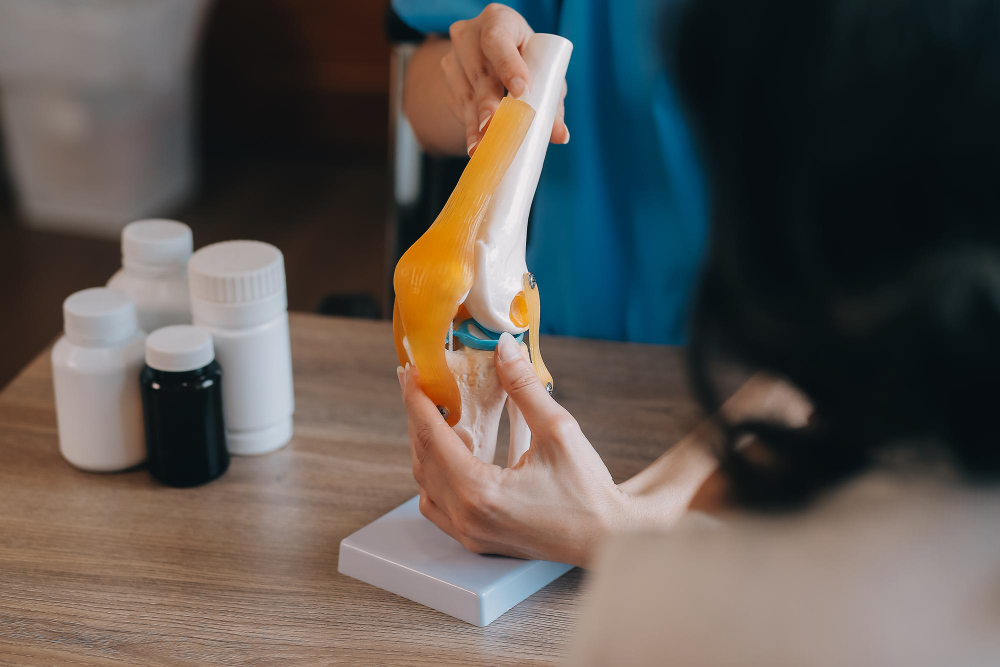
What Are Bone Fractures?
Bone fractures are breaks or cracks in your bones. Sometimes, they happen after a fall, accident, or even a small bump if bones are weak. For many people, fractures can cause pain, swelling, and trouble moving the injured area. Because bones support your body, a fracture can affect your daily life. In some cases, healing takes weeks or even months. Therefore, understanding how to prevent bone fractures is important for everyone.
Why Is Fracture Prevention Important?
Fracture prevention helps you stay active and independent. When you avoid fractures, you lower your risk of long-term pain and disability. For older adults, a broken bone can lead to hospital stays or even permanent loss of mobility. In addition, strong bones help you enjoy daily activities without worry. According to the World Health Organization (WHO), millions of people worldwide suffer from fractures each year. So, taking steps to reduce fracture risk is vital for your health and well-being.
Key Risk Factors for Bone Fractures
Some people have a higher chance of breaking a bone. However, knowing your risk can help you take action. Common risk factors include:
Because these factors can add up, it is important to talk with your doctor about your bone health.
Signs of Weak Bones
Often, weak bones do not cause pain until a fracture happens. Still, there are some warning signs you can watch for. For example, you might notice:
If you notice these signs, it may be time to check your bone strength. Early action can help prevent more serious problems later.
How to Keep Your Bones Strong
There are many ways to keep your bones healthy and reduce fracture risk. Because strong bones start with good habits, you can try these bone health tips:
Eat a Strong Bones Diet
Because nutrition is key, a strong bones diet supports your body every day.
Stay Active with Safe Exercise
With regular exercise, you help your bones grow stronger and improve your balance. This can help prevent falls and injuries.
Prevent Falls at Home
Because most fractures in older adults happen from falls, these steps can make your home safer.
Medical Approaches to Fracture Prevention
In some cases, lifestyle changes are not enough. Therefore, doctors may suggest medical options to help prevent bone fractures.
Bone Density Screening
Doctors can check your bone strength with a simple scan called a bone density test. This test helps find weak bones before a fracture occurs. The CDC recommends screening for women over 65 and men over 70, or earlier if you have risk factors.
Supplements and Medicines
Because everyone is different, your doctor can help choose the best plan for you.
When to See a Doctor
Early medical advice can help you stay strong and active. In many cities, orthopedic clinics offer bone health checks and support for fracture prevention.
Conclusion
If you are concerned about your bone health or want to prevent fractures, book a consultation with Dr. Lokesh Kumar Gupta. Our clinic team is here to help you stay strong and active.