What Is a Herniated Disc?
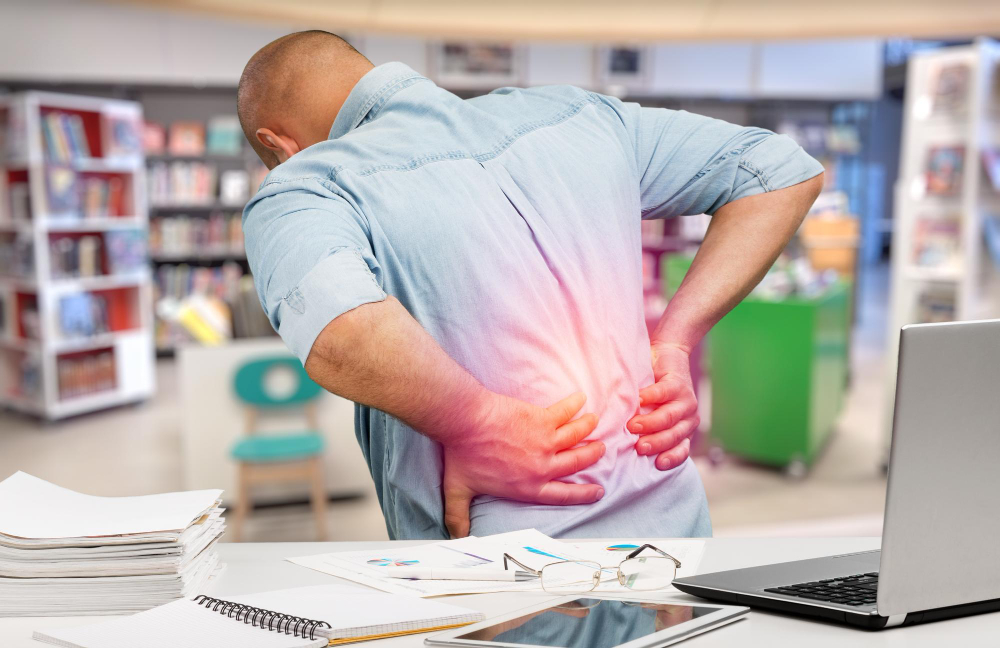
A herniated disc happens when one of the soft discs between the bones in your spine slips out of place. This disc can press on nearby nerves. As a result, you may feel pain, numbness, or weakness. Many people call this a “slipped disc.” However, the disc does not actually slip. Instead, it bulges or breaks open. Because your spine supports your body, a herniated disc can affect how you move and feel each day.
Common Symptoms of a Herniated Disc
Not everyone with a herniated disc feels pain. But, symptoms often appear when the disc presses on a nerve. For example, you might notice:
Sometimes, symptoms can be mild. Yet, in other cases, they can be severe and affect daily life. If you notice sudden loss of feeling or trouble controlling your bladder or bowels, seek medical help right away.
Causes and Risk Factors
Several things can cause a herniated disc. Most often, it happens because of normal wear and tear as you age. However, other factors can raise your risk, such as:
Because these risks add up, taking care of your back is important. Even though some risks, like age, cannot be changed, you can still lower your chances by staying active and using good posture.
How Doctors Diagnose a Herniated Disc
Doctors use several steps to find out if you have a herniated disc. First, they ask about your symptoms and medical history. Next, they perform a physical exam. During this exam, they check your strength, reflexes, and feeling in your arms and legs. Sometimes, doctors order tests to see the spine more clearly. For example:
Because these tests help doctors see what is happening inside your spine, they can choose the best treatment for you. According to the CDC and other experts, early diagnosis can lead to better back pain relief.
Treatment Options for Herniated Disc
Treatment depends on your symptoms and how much they affect your life. Many people get better with simple steps. For instance, doctors may suggest:
In rare cases, surgery may be needed if symptoms do not improve. Orthopedic spine care specialists can help decide if surgery is right for you. However, most people recover without surgery and return to normal activities.
Lifestyle Tips for Managing Back Pain and Nerve Symptoms
Making small changes can help you feel better and prevent more pain. For example, you can:
Because these steps support your spine, they can make daily life easier. If you have questions, ask your doctor or an orthopedic spine care team for advice.
Preventing Herniated Discs
Although not all herniated discs can be prevented, you can lower your risk. For instance, try these tips:
Because prevention is easier than treatment, these habits can help you avoid back pain and nerve symptoms in the future.
Consult Lokesh Kumar Gupta now