
What Is a Meniscus Injury?
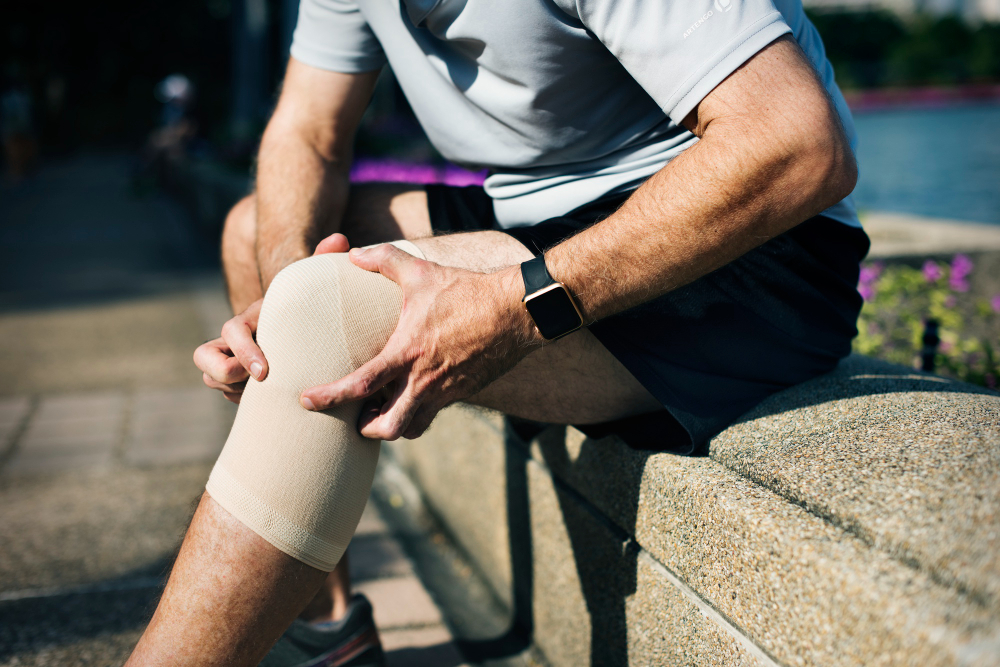
If you have knee pain or notice your knee locking, you might have a meniscus injury. The meniscus is a rubbery, C-shaped disc in your knee. It helps cushion and support the joint. When this cartilage tears, it is called a meniscus injury. Many people experience this problem, especially after twisting their knee. According to the CDC, meniscus injuries are common among both young athletes and older adults.
Common Symptoms of Meniscus Injuries
Meniscus tear symptoms can vary. However, some signs are more common than others. For example, you may notice:
Sometimes, symptoms appear right after an injury. Other times, they develop slowly. If you notice these signs, it is important to seek help. Early care can prevent further damage.
Causes and Risk Factors
Several things can cause a meniscus injury. Most often, a sudden twist or turn while your foot is planted leads to a tear. However, wear and tear over time can also damage the meniscus. For example, older adults may get a meniscus tear from simple daily activities. Some common knee pain causes linked to meniscus injuries include:
Additionally, being overweight can put extra stress on your knees. This increases your risk of injury. People with weak thigh muscles may also be more likely to get a meniscus tear.
How Meniscus Injuries Are Diagnosed
Doctors use several steps to diagnose a meniscus injury. First, they ask about your symptoms and how the injury happened. Next, they examine your knee for swelling, tenderness, or limited movement. Sometimes, doctors use special tests to check for a tear. For example, they may move your knee in certain ways to see if it locks or clicks. In many cases, imaging tests help confirm the diagnosis. These may include:
Early diagnosis is important. It helps guide the best treatment for meniscus injury and prevents further knee damage.
Treatment Options for Meniscus Injuries
Treatment for meniscus injury depends on the size and location of the tear. For minor tears, rest and self-care may be enough. However, larger or more severe tears may need medical help. Common treatment options include:
In many cities, you can find orthopedic care for knee injuries. For example, orthopedic care in your area may offer both non-surgical and surgical options. Always follow your healthcare provider’s advice for the best results.
Lifestyle Tips and Self-Care for Knee Health
Even after a meniscus injury, you can take steps to protect your knee. For instance, gentle exercises help keep your knee strong and flexible. Here are some self-care tips:
Additionally, working with a physical therapist can help you recover safely. They can show you the best exercises for your needs.
Prevention of Meniscus Injuries
While not all knee injuries can be avoided, you can lower your risk. For example, using proper techniques during sports or exercise helps protect your knees. To prevent meniscus injuries, try these steps:
Finally, regular check-ups with your doctor can help spot early signs of knee problems. Early care makes a big difference in long-term knee health.