What Is Robotic Knee Replacement?
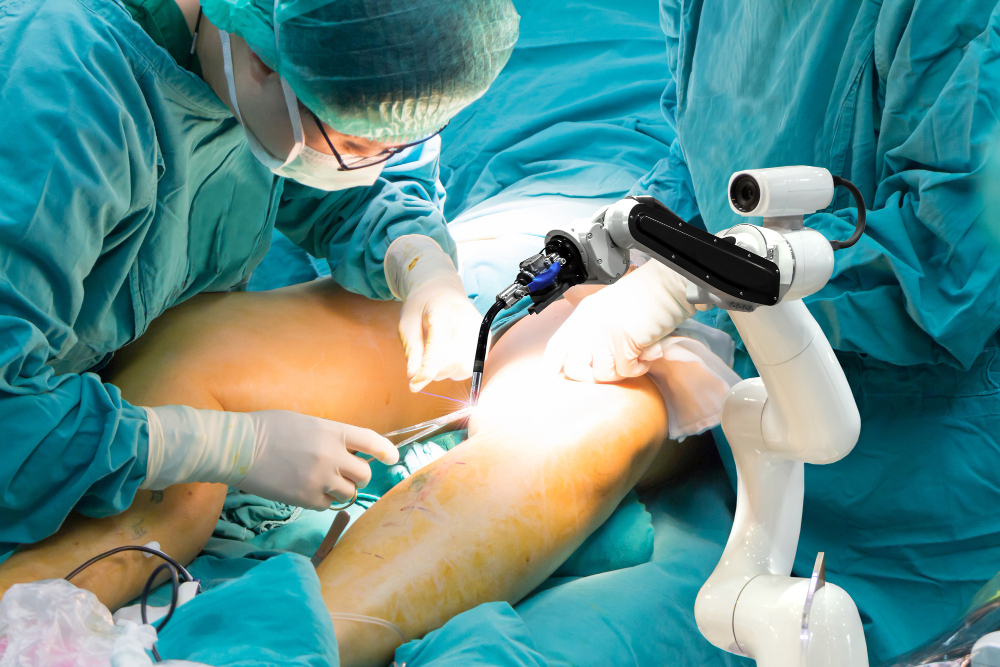
Robotic knee replacement is a modern type of knee surgery. It uses a robotic system to help the surgeon plan and perform the procedure. As a result, this method can offer more accuracy than traditional surgery. During robotic-assisted knee surgery, the robot does not replace the surgeon. Instead, it guides the surgeon’s tools for better precision. Many hospitals now offer this advanced option, but availability can depend on your location.
How Does Conventional Knee Replacement Work?
Conventional knee replacement is the standard way to treat severe knee arthritis or injury. In this method, the surgeon uses manual tools to remove damaged bone and cartilage. Next, the surgeon places a new artificial joint. Although this surgery is common, it relies on the surgeon’s skill and experience. For many years, conventional knee replacement has helped people regain movement and reduce pain.
Key Differences Between Robotic and Conventional Knee Replacement
While both surgeries aim to relieve pain, they differ in several ways. For example, robotic-assisted knee surgery uses advanced imaging and computer guidance. Conventional surgery relies more on manual techniques. Here are the main differences:
Benefits of Robotic Knee Replacement
Many people want to know the advantages of robotic knee replacement. Research from peer-reviewed medical journals shows several possible benefits. For instance, robotic surgery can lead to a better fit of the new joint. This may help the knee move more naturally. In addition, some studies suggest:
However, results can vary. Not every patient will have the same experience.
Potential Risks and Considerations
Even though robotic knee replacement has many benefits, it also has risks. Like all surgeries, there is a chance of infection, blood clots, or nerve injury. Additionally, robotic-assisted knee surgery may take longer than standard surgery. Some hospitals may not have this technology yet. Therefore, it is important to talk with your doctor about the best option for you. According to the CDC, all knee surgeries carry some risk, but most people recover well.
Who Is a Candidate for Robotic Knee Replacement?
Not everyone is a good candidate for robotic knee replacement. Usually, doctors recommend it for people with severe knee pain or damage. For example, you may be a candidate if:
However, some people with certain health problems may not qualify. Your doctor will review your health and decide if robotic-assisted surgery is right for you.
Recovery and Rehabilitation
After robotic knee replacement, recovery can be faster for some people. For instance, you may have less pain and swelling. Physical therapy starts soon after surgery. This helps you regain movement and strength. Although robotic surgery can speed up knee replacement recovery, each person heals at their own pace. Your doctor will give you a plan for safe and steady progress. In some cases, people return to daily activities sooner than with conventional surgery.